UPCOMING
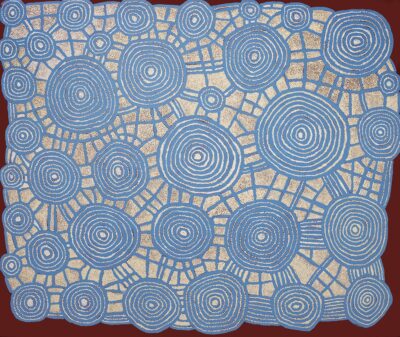
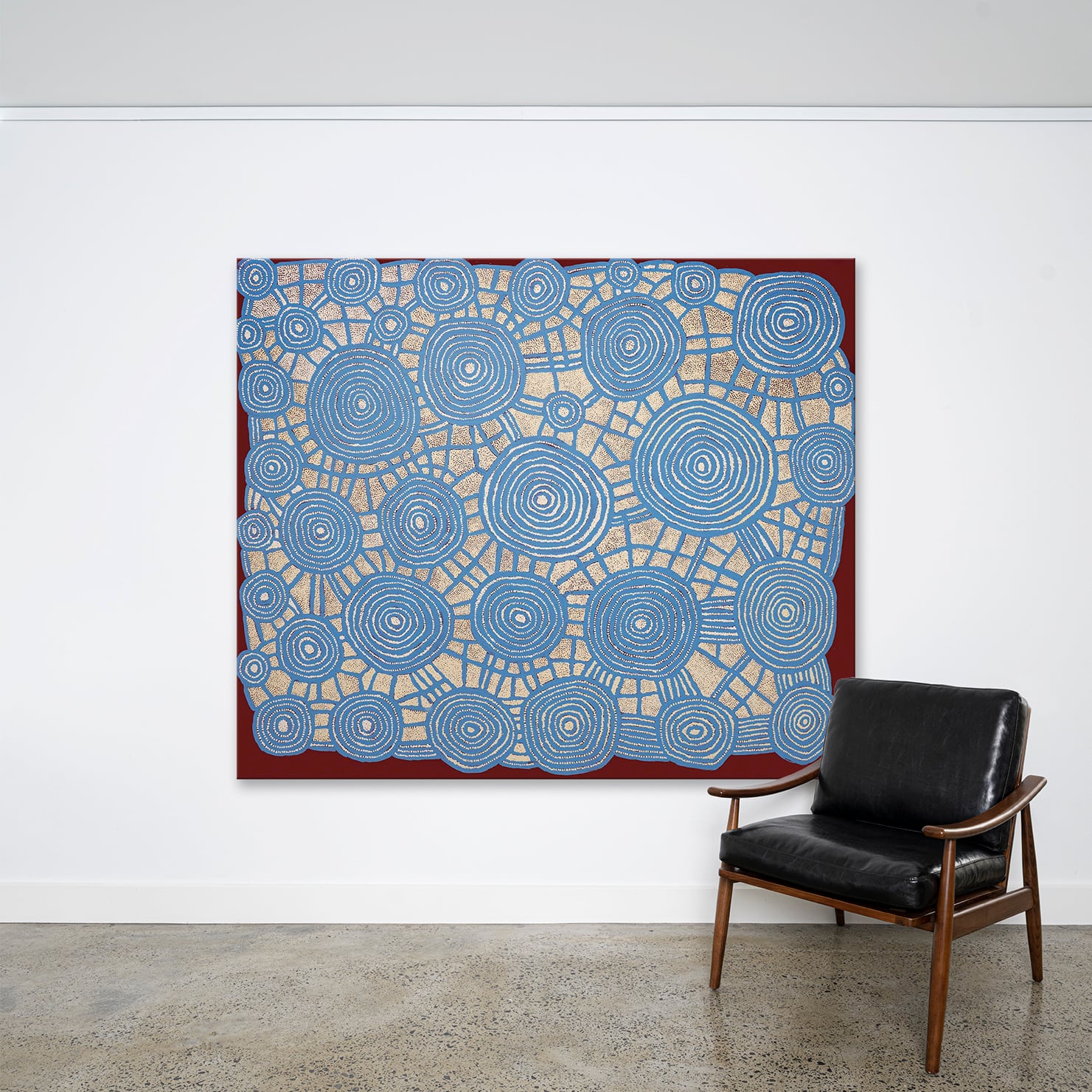
4 to 6 November 2026

Acrylic on Linen
153 x 182 cm
Sold SoldHaven't found what you're looking for?
Contact a consultant about other ways to acquire an artist's artwork.
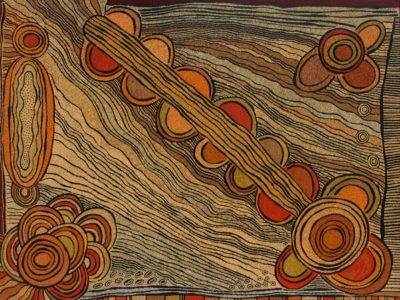
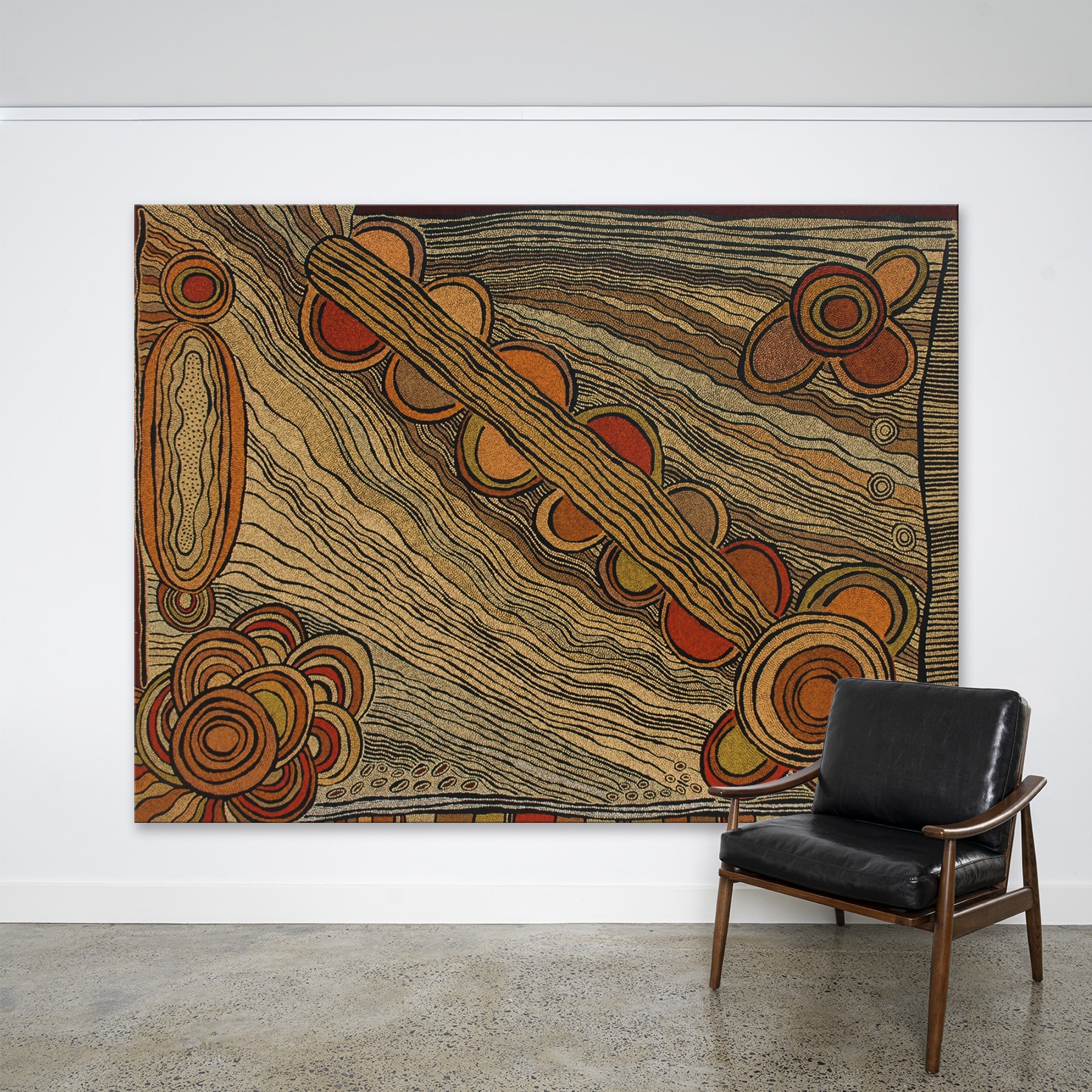
Acrylic on Linen
183 x 243 cm
A$44,000 Buy Now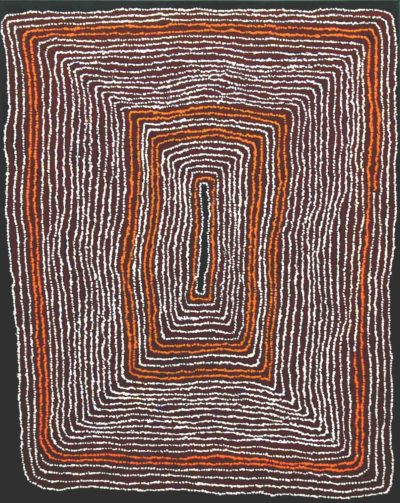
Acrylic on Linen
122 x 91 cm
A$12,000 Buy Now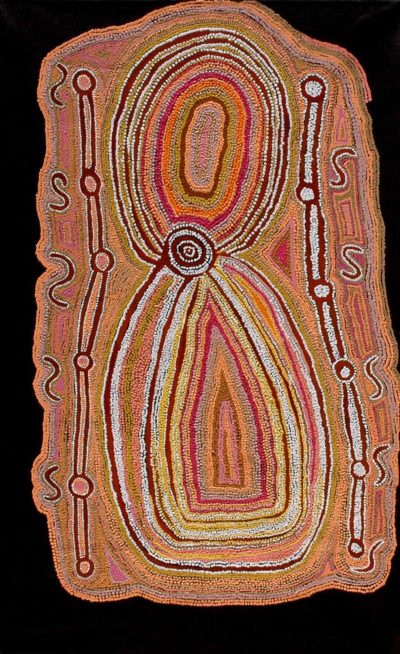
Acrylic on Linen
152 x 91 cm
A$18,000 Buy Now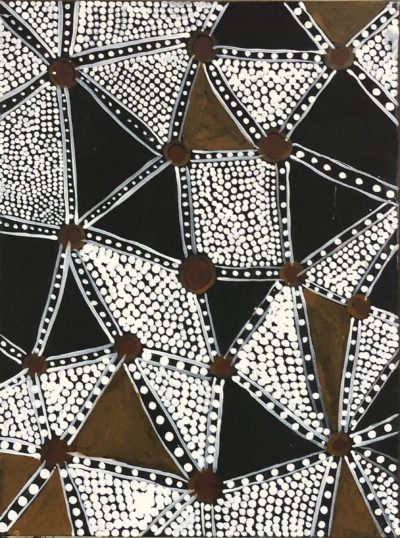
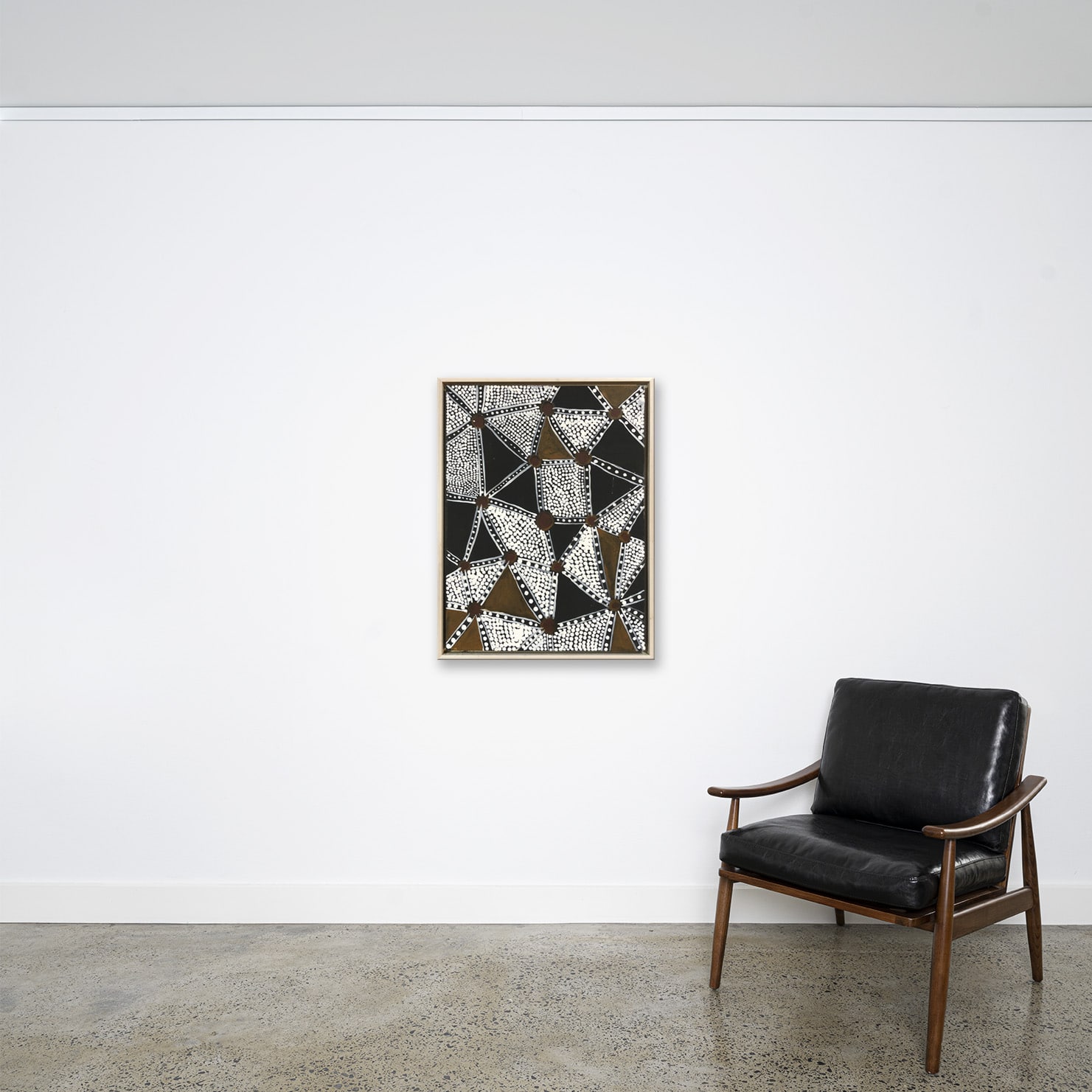
Acrylic on Canvas
83 x 63 cm Framed
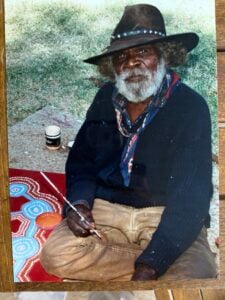
A$7,500 Buy NowAboriginal and Torres Strait Islander Cultural Warning: This page contains the name and image of a deceased First Nations artist. The artist’s photograph has been placed at the end of this biography in recognition that viewing images of deceased people may be culturally sensitive for some Aboriginal and Torres Strait Islander peoples. Please take care if you choose to continue scrolling.
Born circa 1930s
Died 2002
Region Western Desert
Language Pintupi
John John Bennett Tjapangati was a senior Pintupi man and ngangkari (traditional healer) of the Western Desert. Born in the Gibson Desert in the 1930s, he was raised within a strong cultural and ceremonial framework. He belonged to the generation of Pintupi men whose lives bridged the world of traditional desert living, the disruption of settlement, and the emergence of a contemporary Aboriginal painting movement that would change Australian art history.
Bennett began painting with Papunya Tula Artists in 1986. He lived for a period at Tjukurla in Western Australia, before returning to Walungurru (Kintore) in the Northern Territory, where he resumed painting with renewed intensity through the 1990s. He was married to the celebrated Papunya Tula artist Nyurapayia Nampitjinpa – widely known as Mrs Bennett – and together they were recognised not only as important painters but as respected cultural leaders and healers within the Kintore community.
His role as a ngangkari extended beyond the studio: Bennett worked closely with the Kintore Clinic, practising traditional healing in cooperation with Western medical services – an expression of the depth and authority of his knowledge within Pintupi society. He was, in every sense, a man of law: a keeper of ceremony, a healer, a painter, and a custodian of the Dreaming narratives that define Pintupi relationship to Country.
ARTISTIC PRACTICE
Bennett’s paintings are most closely associated with the Tingari Cycle – the great body of ancestral narratives that map the travels of Tingari men across the Western Desert, linking ceremonial sites, law, movement, and memory across Country. In his work, these stories are translated into powerful visual fields of rhythm, repetition, and measured movement. His compositions frequently trace routes between significant Pintupi sites – Tjukurla, Pirrmalnga, Mitukatjirri – rendering Country not as landscape in a Western sense, but as a living, storied, and spiritually activated terrain. Roundels mark rockholes; lines of dots carry the paths of ancestral beings; the whole surface becomes a kind of mapped ceremony.
His style is distinguished by finely controlled dotting, measured geometry, and a strong sense of ceremonial structure. Layers of repeated marks generate a shimmering optical surface, evoking both the presence of ancestral forces and the movement of Tingari figures across desert space. His practice belongs firmly to the mature Papunya Tula tradition, yet his canvases carry an intensely personal concentration and gravity – a stillness that reflects a life grounded in law, healing, and custodianship of Country.
COLLECTIONS
National Gallery of Australia, Canberra
Holmes à Court Collection, Perth
Major private collections, Australia and internationally
AUCTION RESULTS
Bennett’s work has appeared at auction through major Australian and international houses.
MARKET OVERVIEW
John John Bennett Tjapangati’s market reflects the strength and rarity of senior Papunya Tula painters from the Western Desert tradition. With 22 works appearing at auction since his passing in 2002, his artworks are in limited supply – and that scarcity is underpinned by his institutional standing: works held at the National Gallery of Australia and the Holmes à Court Collection confirm his position within the canon of significant Indigenous Australian art.
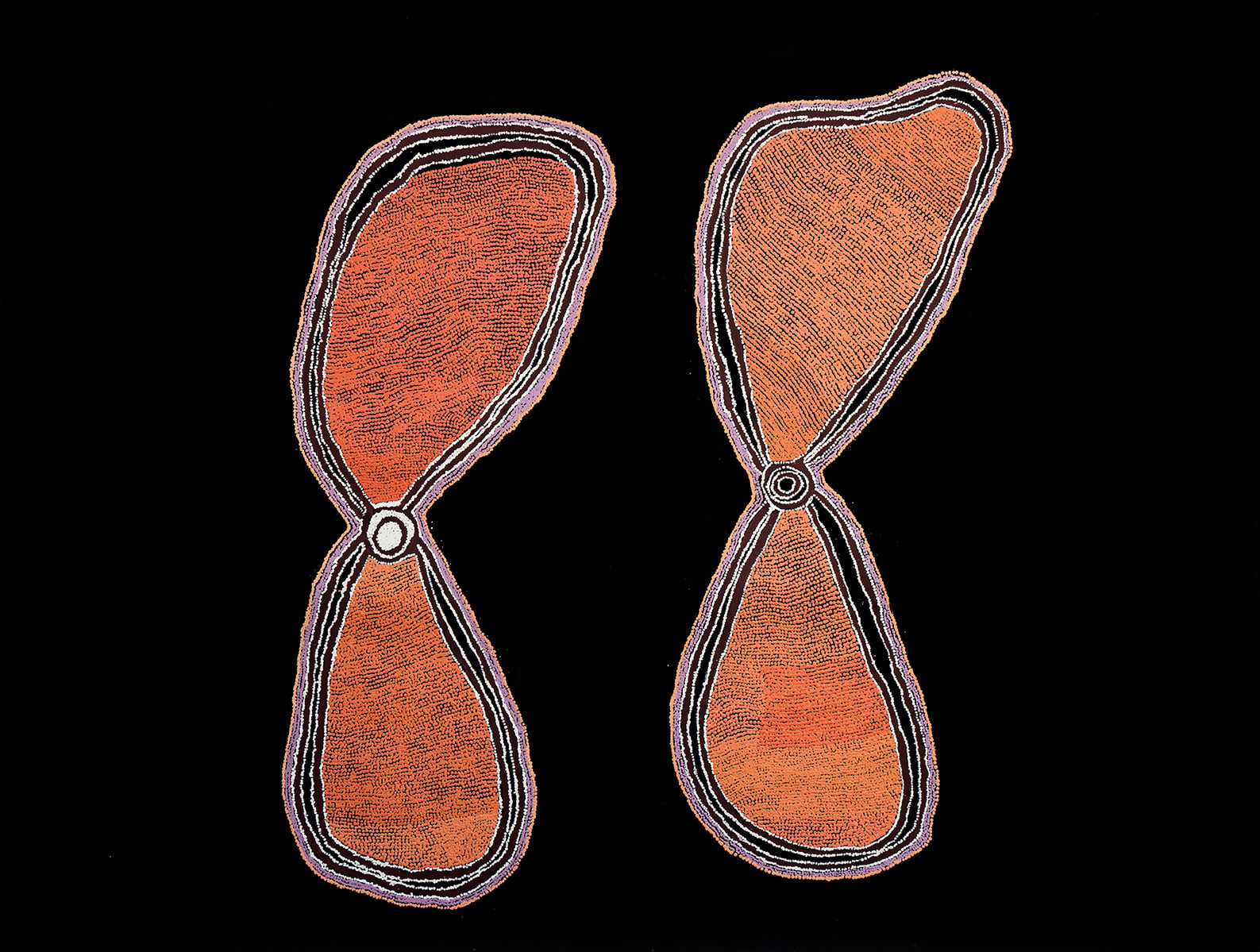
We are proud to present this historic collection: Exhibition Statement: BEFORE THE CROSSING brings together an extraordinary collection of early and highly significant Western Desert paintings from the personal collection of Christopher Simon OAM – works that have quietly lived for decades in his Northern Territory home, rarely seen beyond intimate… Continue reading
Continue reading