UPCOMING
4 to 6 November 2026
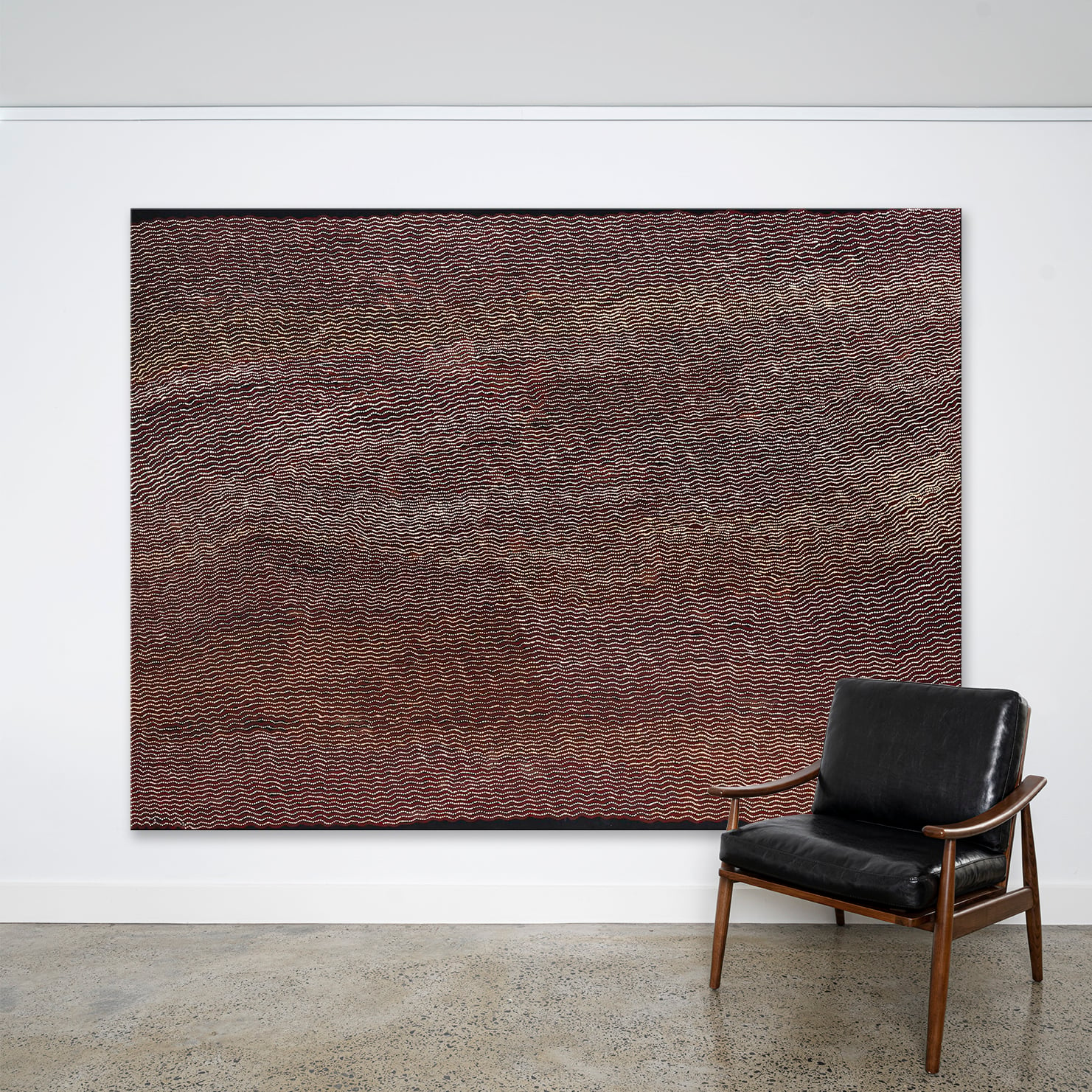
Acrylic on Linen
183 x 244 cm
A$135,000 Buy Now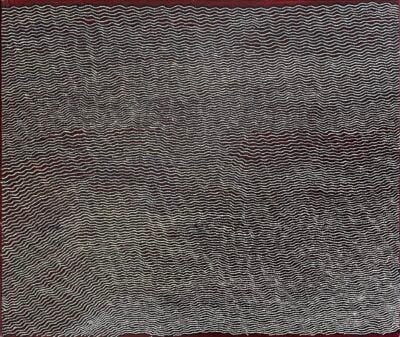
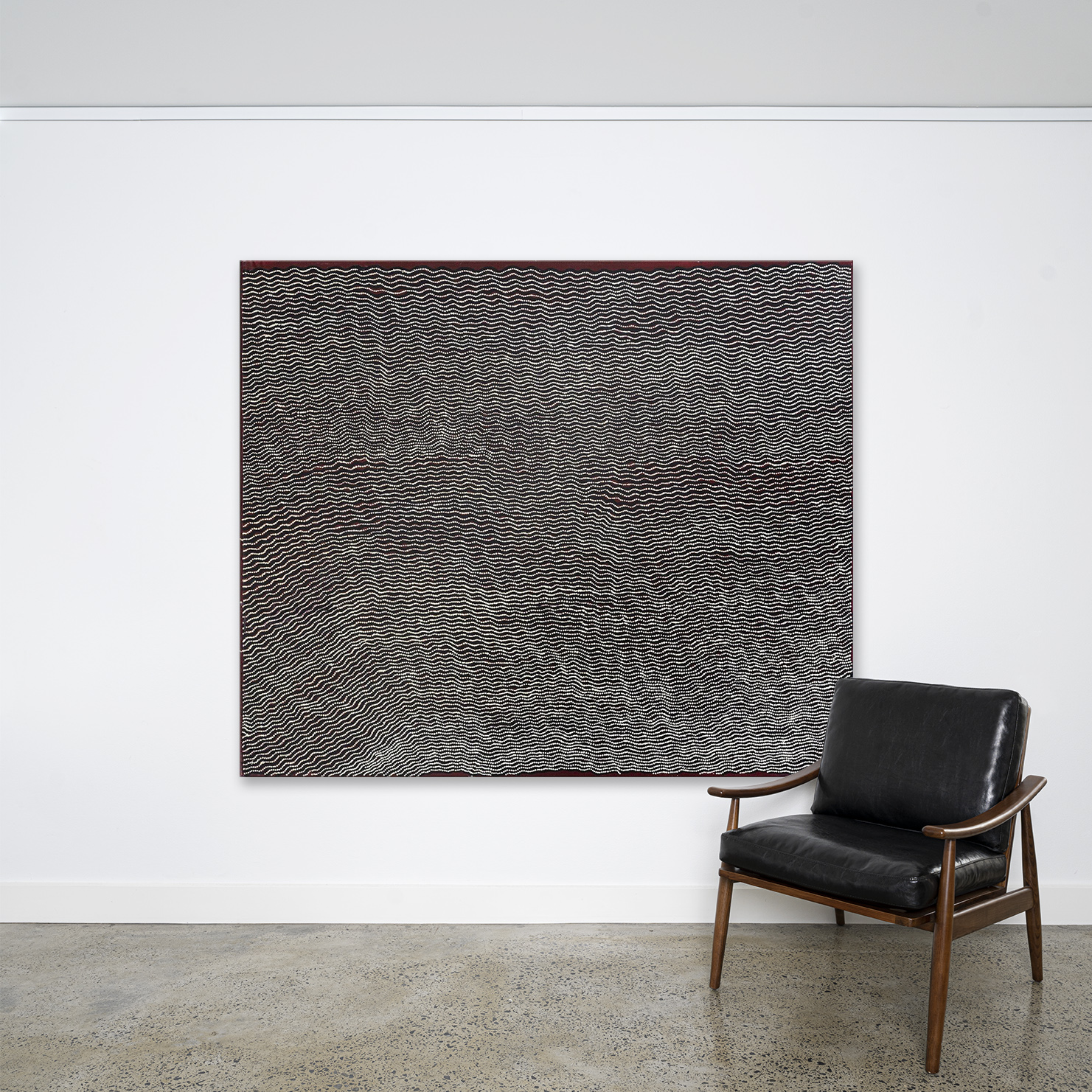
Acrylic on Linen
152 x 183 cm
A$35,000 Buy NowHaven't found what you're looking for?
Contact a consultant about other ways to acquire an artist's artwork.
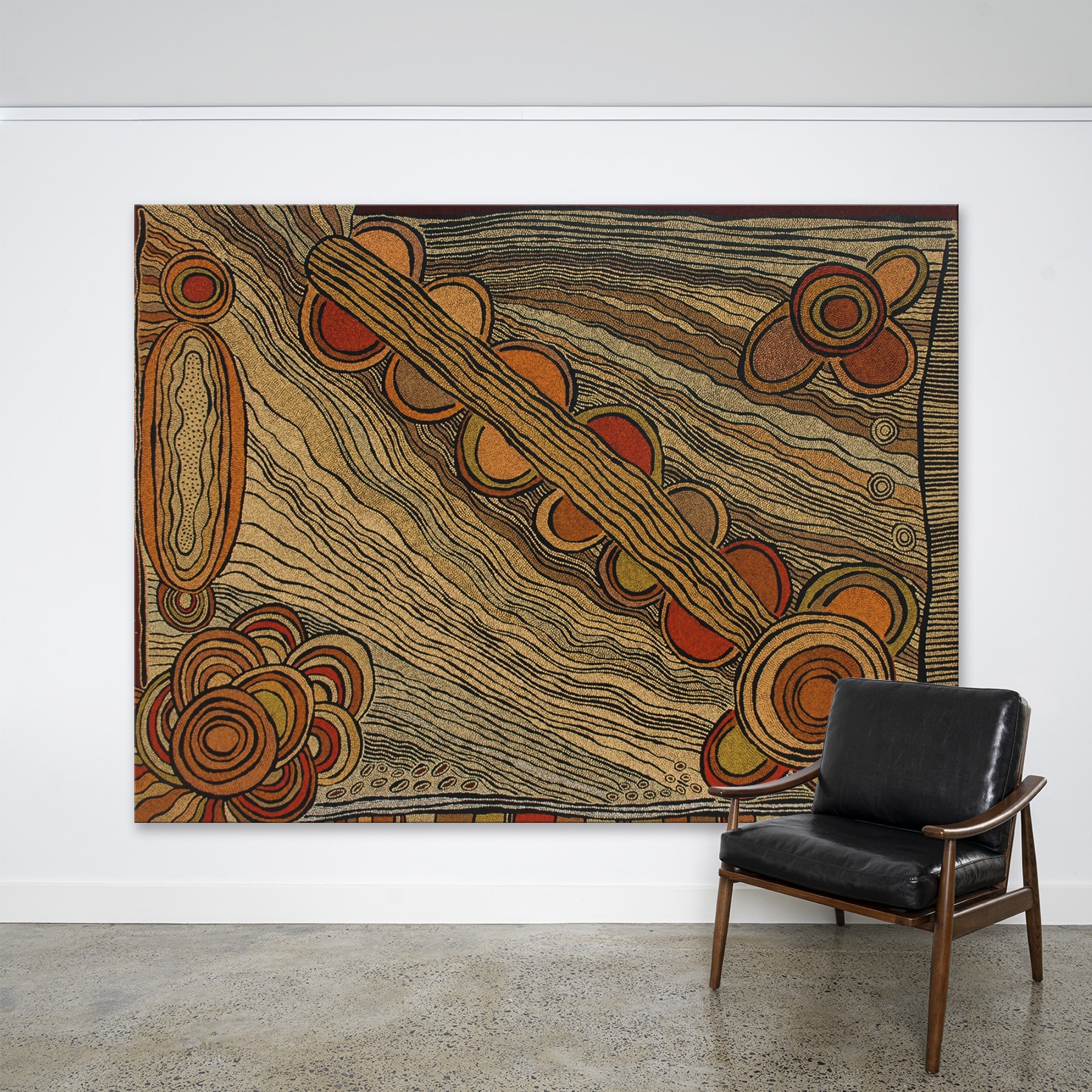
Acrylic on Linen
183 x 243 cm
A$44,000 Buy Now
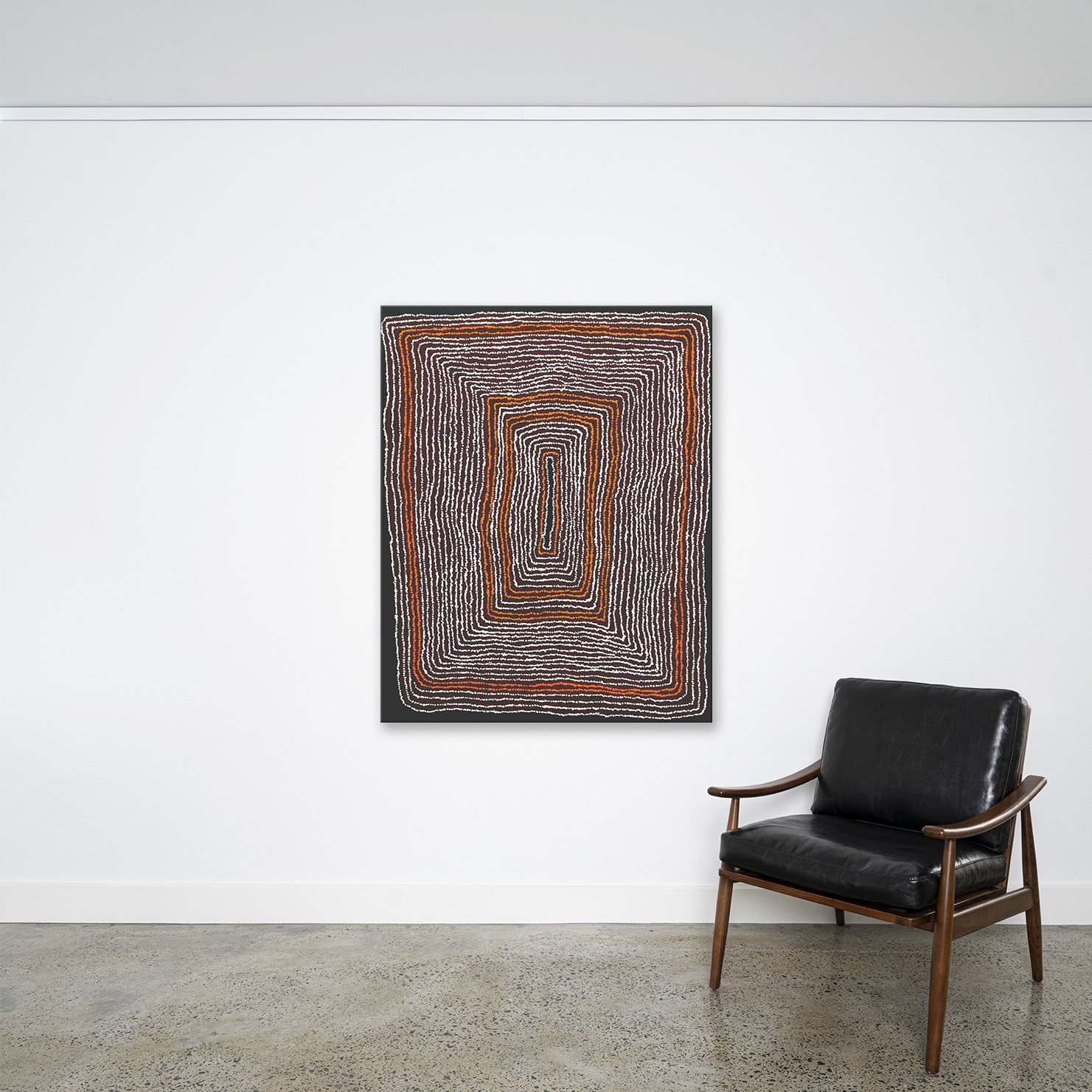
Acrylic on Linen
122 x 91 cm
A$12,000 Buy Now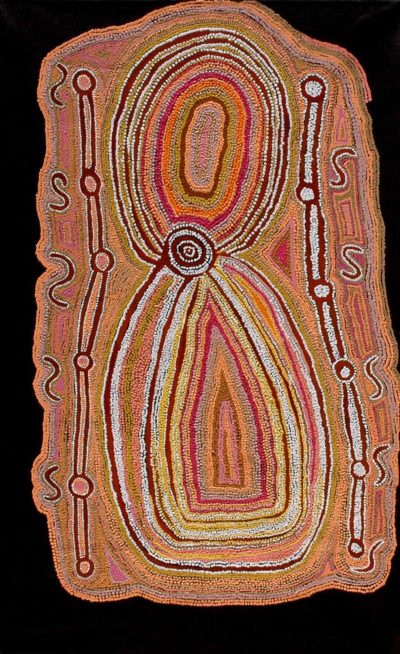
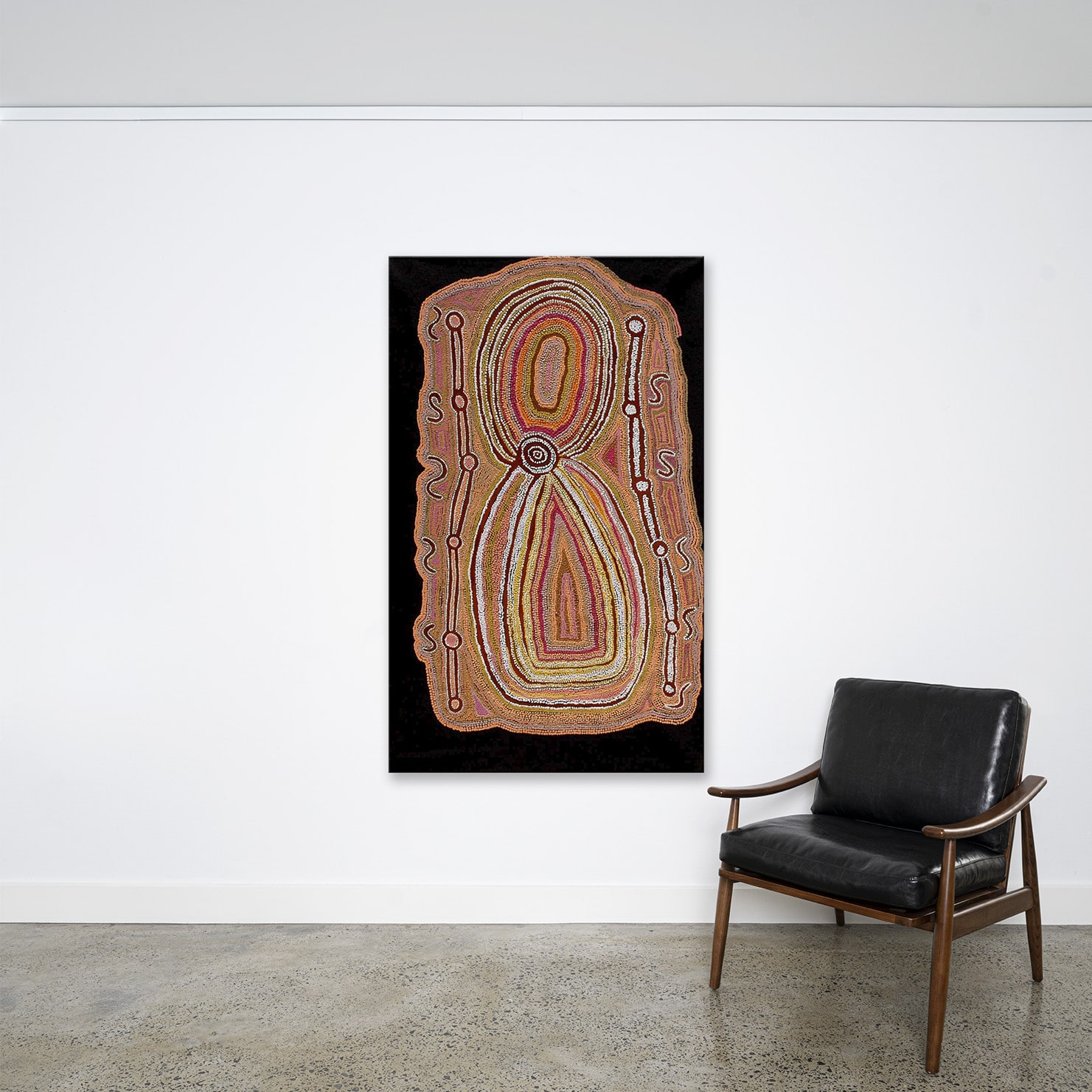
Acrylic on Linen
152 x 91 cm
A$18,000 Buy Now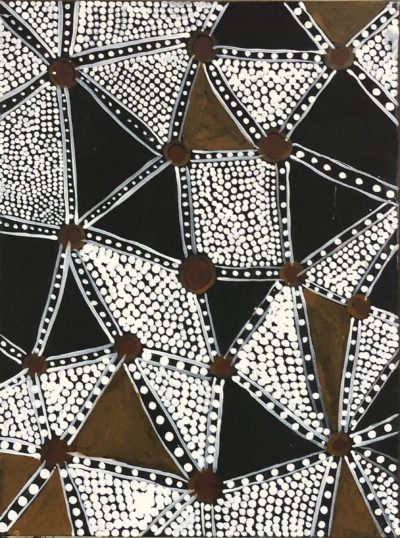
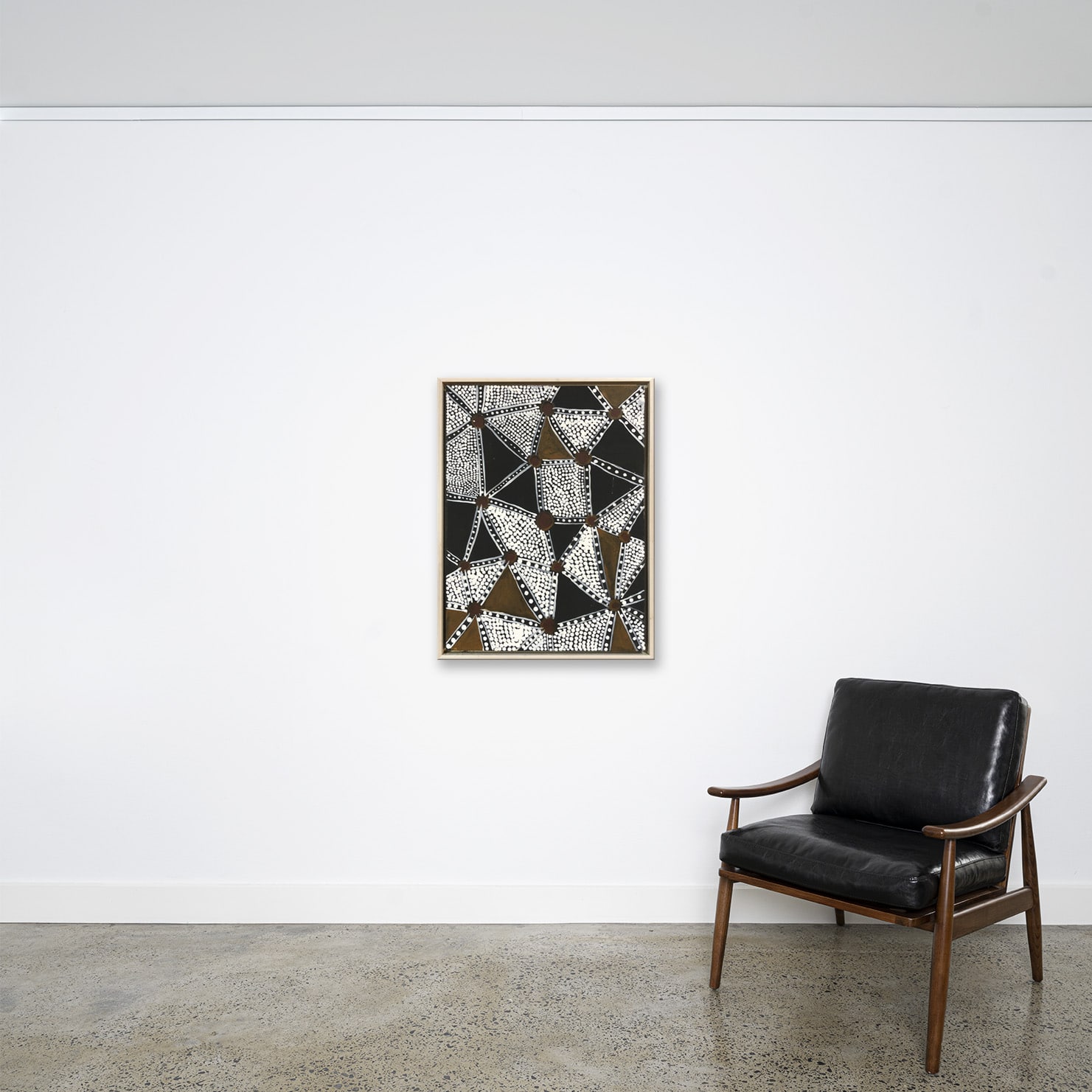
Acrylic on Canvas
83 x 63 cm Framed
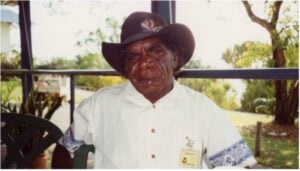
A$7,500 Buy NowAboriginal and Torres Strait Islander Cultural Warning: This page contains the name and image of a deceased First Nations artist. The artist’s photograph has been placed at the end of this biography in recognition that viewing images of deceased people may be culturally sensitive for some Aboriginal and Torres Strait Islander peoples. Please take care if you choose to continue scrolling.
Born circa 1950
Died 2020
Region Western Desert
Language Pintupi
Kenny Williams Tjampitjinpa was born around 1950 at Iliya, near present-day Kiwirrkura, in the Western Desert of Western Australia – the traditional homeland of the Pintupi people. He was the eldest son of the celebrated painter Naata Nungurrayi and her first husband, Pilamartitja Tjangala, who died of thirst in the desert approximately two years before the family had any contact with non-Aboriginal Australians.
As a young boy, Kenny spent his early years travelling nomadically with his extended family across the remote desert around Wilkinkarra (Lake Mackay). During a period of serious drought, the family was brought in 1963 to Papunya by government patrol officer Jeremy Long.
Kenny later moved to Balgo Hills on the northern edge of the Great Sandy Desert alongside a group of Pintupi people, before returning to Papunya and then transferring with his younger sibling Ronnie Tjampitjinpa to the Intinti outstation west of Kintore. In his final years, Kenny lived in Alice Springs while undergoing treatment through the renal program. He passed away in 2020.
ARTIST PRACTICE
Kenny Williams began his painting career joining Papunya Tula Artists and working on Country centred around Kiwirrkura and sites including Walawala – his principal homestead – and Yirrukurlu, his father’s Country south of the Pollock Hills.
His primary Dreaming subjects draw on the stories of the Kuniya (python) – particularly the narrative of two python ancestors who travelled from the east to Karrilwarra, a rockhole and soakage water site north-west of Kiwirrkura, before journeying south-west to Wiluna. He also painted the Tingari Cycle, the body of sacred ancestral knowledge central to Pintupi men’s ceremonial life, and Ngamanpura, a swamp west of Kintore associated with the black berry of the same name.
His style is instantly recognisable: meticulously executed fine zigzag lines rendered in subtle, earthy ochres, umbers, and muted earth tones on linen or canvas. Rather than relying on the classical dotting techniques popular in early Papunya art, Kenny’s signature approach employed hyper-controlled linear geometry – rhythmic, pulsing zigzags and fine linework that mirror the ancient carvings traditionally found on ceremonial shields, boomerangs, and tjuringa (sacred stone or wooden objects). The surface rewards close and sustained looking, carrying a meditative, almost hypnotic quality that bears the full authority of that sacred ceremonial tradition.
FAMILY & ARTISTIC LINEAGE
Kenny Williams came from one of the most distinguished artistic families in the history of Australian Aboriginal art. His mother, Naata Nungurrayi, is among the most highly collected Papunya Tula women painters, achieving major auction records in her own right. His younger sibling, Ronnie Tjampitjinpa, is equally celebrated and has achieved some of the strongest results of any living Pintupi male artist. His uncle, George Ward Tjungurrayi, won the prestigious Wynne Prize at the Art Gallery of New South Wales in 2004.
Together, this lineage represents one of the most exceptional creative dynasties in the history of Western Desert painting. This family pedigree significantly reinforces the cultural and artistic authority of Kenny’s work in the eyes of collectors and institutions alike.
AWARDS & RECOGNITION
Chairman, Papunya Tula Artists
Kenny served as Chairman of Papunya Tula Artists for several years, a position of considerable cultural and institutional authority within the cooperative that gave birth to the Western Desert painting movement.
2000 Telstra National Aboriginal and Torres Strait Islander Art Award (NATSIAA) — Overall Winner
Kenny Williams won the major prize at the 17th National Aboriginal and Torres Strait Islander Art Award in 2000 with Snake Tjukurrpa – a masterwork in synthetic polymer paint on linen that directly channelled his principal ancestral narratives. Coming just a year after he stepped down from his influential role as Chairman, the award cemented his reputation firmly among the top tier of contemporary Australian artists. The prize-winning Snake Tjukurrpa was acquired by the Museum and Art Gallery of the Northern Territory (MAGNT) upon award, where it remains in the permanent collection.
INSTITUTIONAL COLLECTIONS
SELECTED EXHIBITION HISTORY
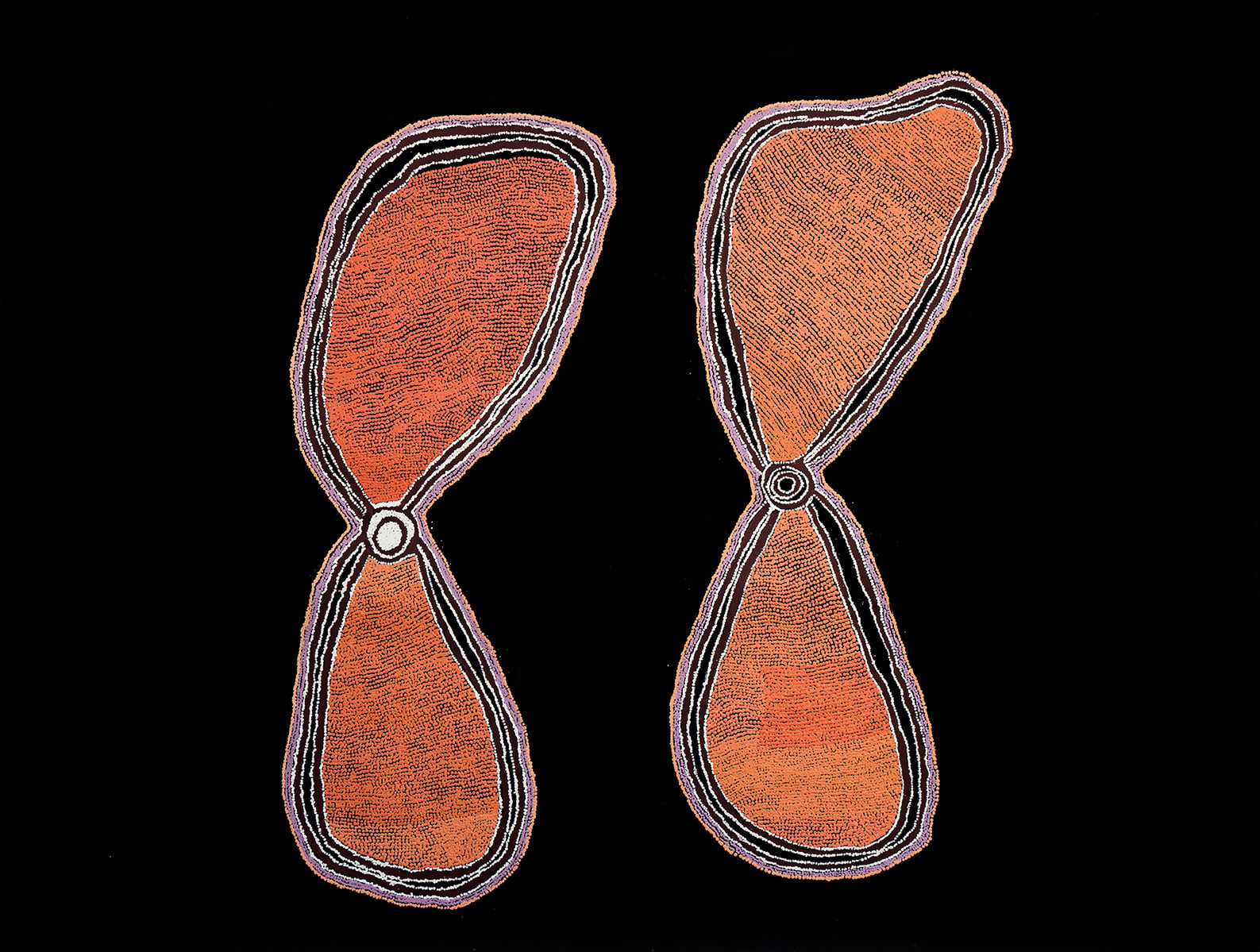
We are proud to present this historic collection: Exhibition Statement: BEFORE THE CROSSING brings together an extraordinary collection of early and highly significant Western Desert paintings from the personal collection of Christopher Simon OAM – works that have quietly lived for decades in his Northern Territory home, rarely seen beyond intimate… Continue reading
Continue reading