UPCOMING
4 to 6 November 2026
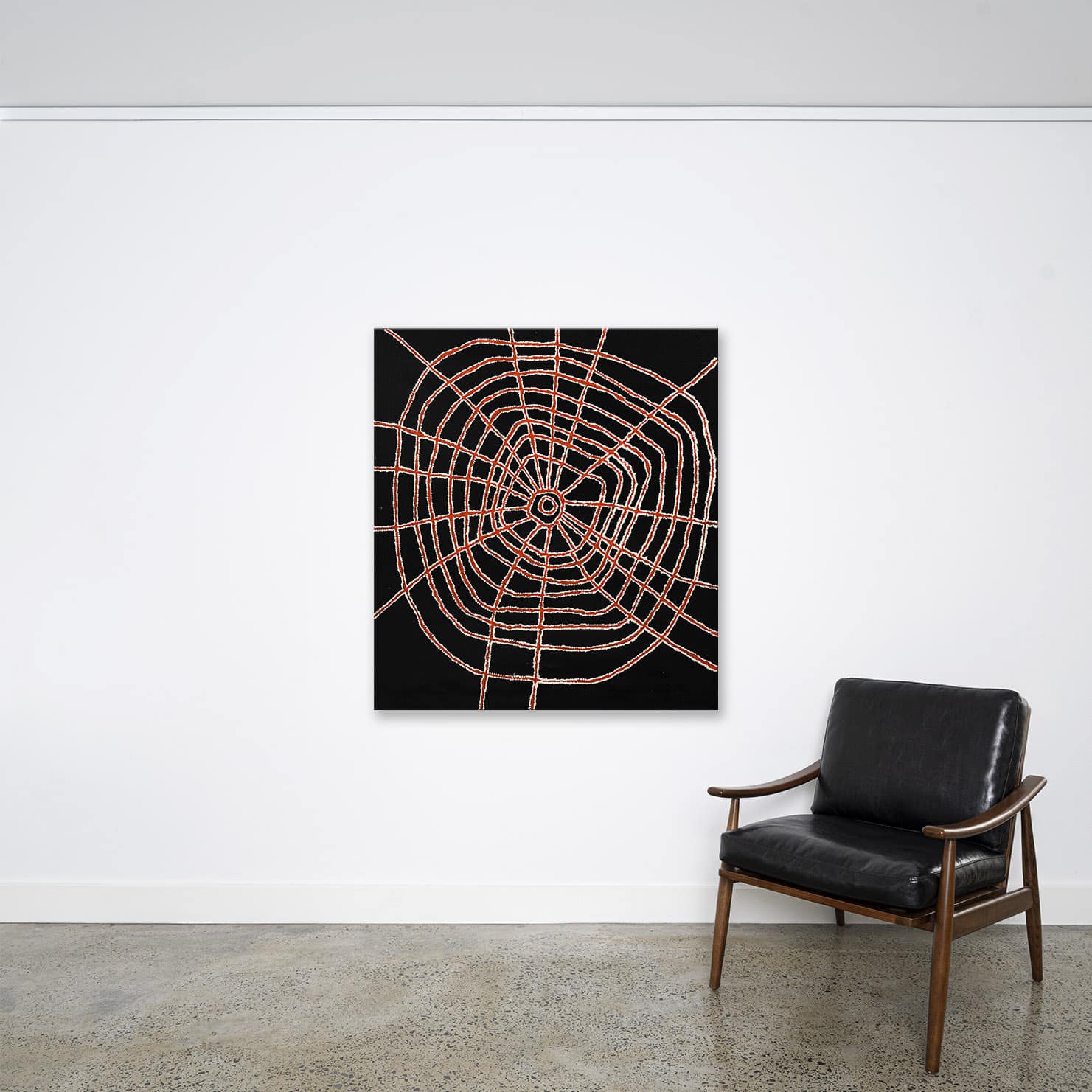
Acrylic on Linen
183 x 244 cm
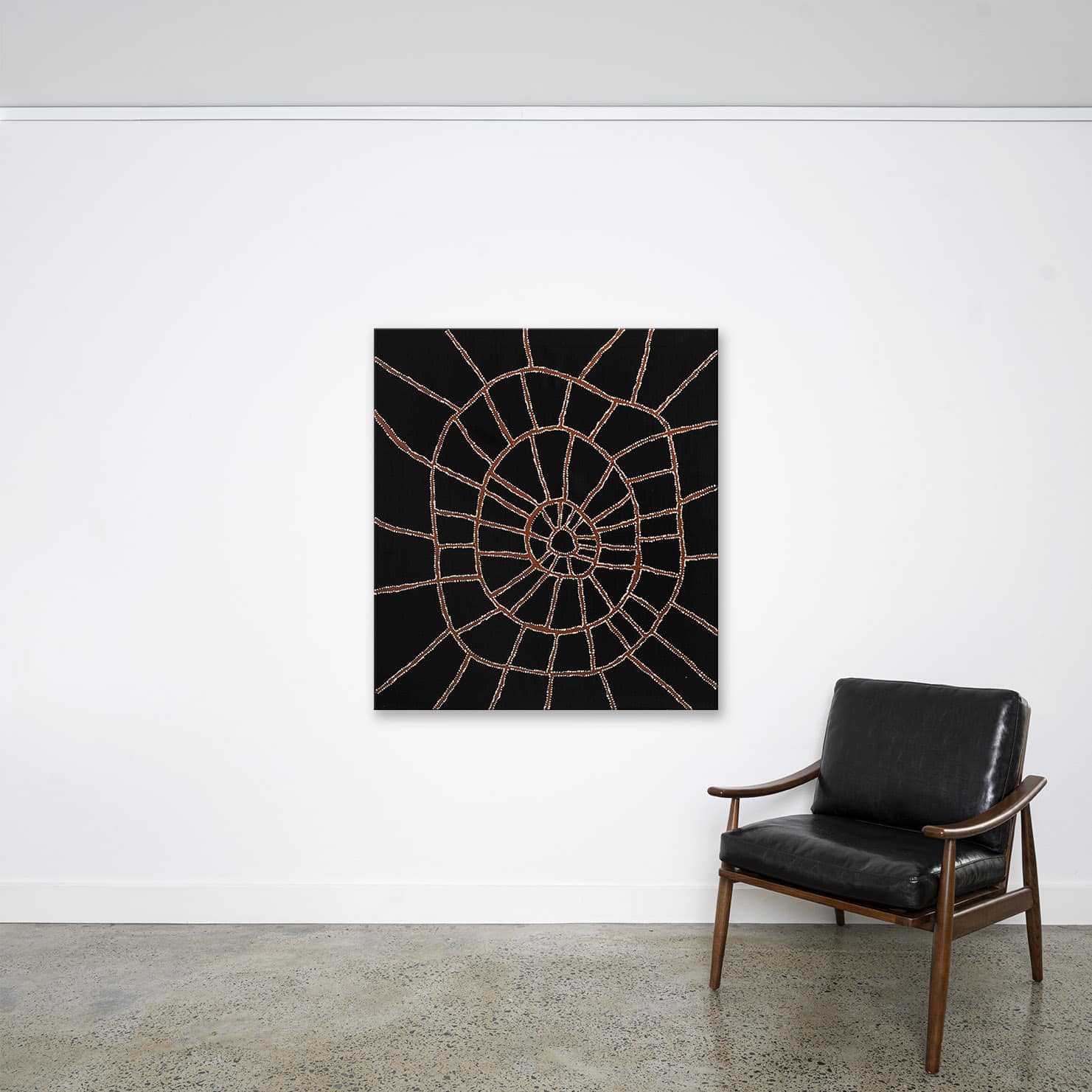
Sold SoldAcrylic on Linen
183 x 244 cm
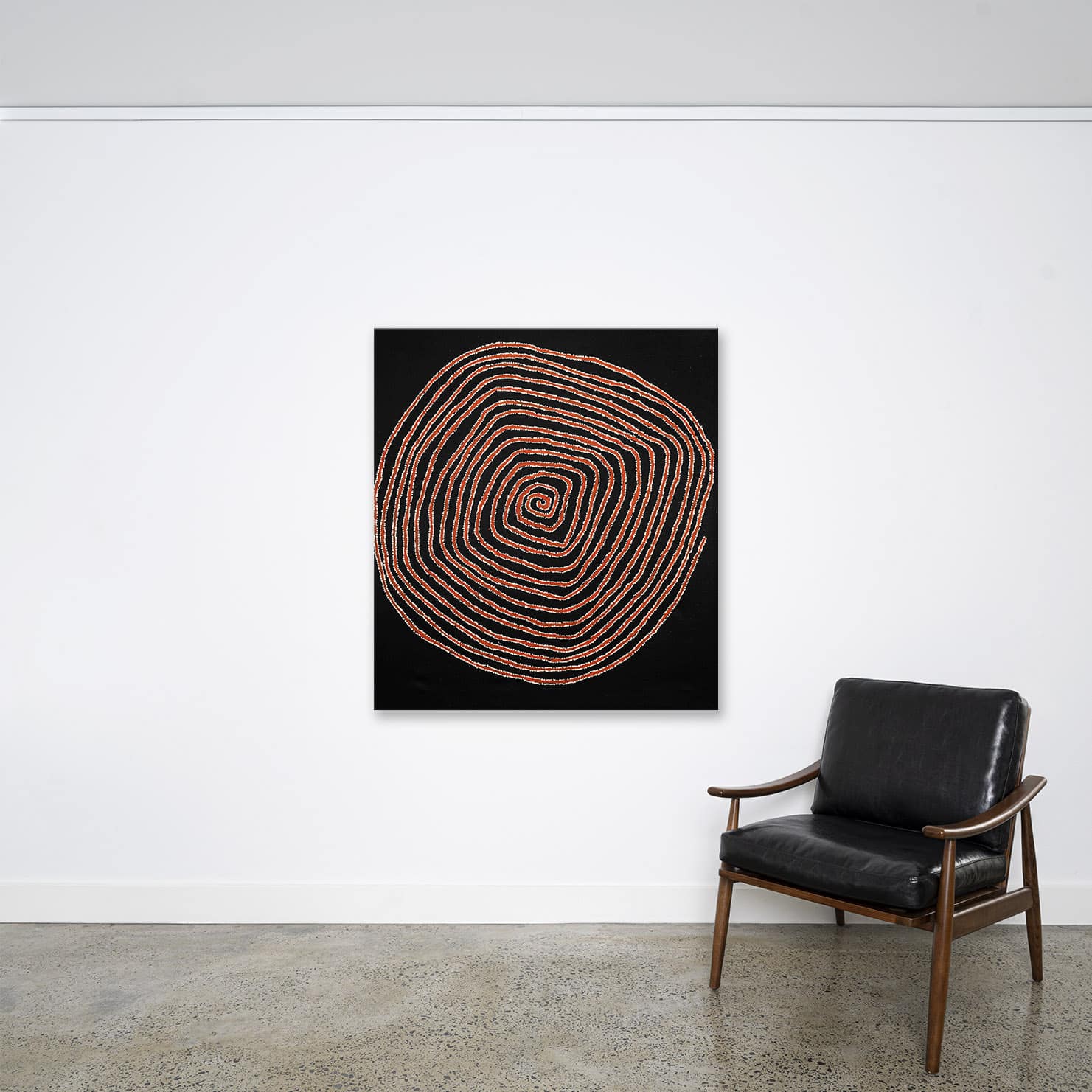
Sold SoldAcrylic on Linen
183 x 244 cm
A$29,000 Enquiry OnlyAcrylic on Linen
183 x 244 cm
A$37,000 Enquiry OnlyAcrylic on Linen
183 x 244 cm
A$23,000 Enquiry OnlyAcrylic on Linen
183 x 244 cm
A$17,000 Enquiry OnlyAcrylic on Linen
183 x 244 cm
A$29,000 Enquiry Only
Acrylic on Linen
66 x 71 cm
A$3,400 Buy NowAcrylic on Linen
71 x 66 cm
Sold SoldAcrylic on Linen
66 x 71 cm
Sold SoldAcrylic on Linen
66 x 71 cm
Sold SoldAcrylic on Linen
66 x 71 cm
Sold SoldAcrylic on Linen
112 x 102 cm
A$7,000 Enquiry OnlyAcrylic on Linen
112 x 102 cm
A$7,000 Enquiry OnlyAcrylic on Linen
112 x 102 cm
A$7,000 Enquiry OnlyAcrylic on Linen
112 x 102 cm
Sold SoldAcrylic on Linen
112 x 102 cm
Sold SoldAcrylic on Linen
112 x 102 cm
Sold SoldAcrylic on Linen
112 x 102 cm
A$7,000 Enquiry OnlyAcrylic on Linen
112 x 102 cm
Sold SoldAcrylic on Linen
112 x 102 cm
A$7,000 Enquiry OnlyAcrylic on Linen
112 x 102 cm
Sold SoldWe are proud to present a specially curated group exhibition of iconic female Western Desert Painters, and cordially invite you and your guest to join us as we celebrate these artists and their work. Don’t forget to RSVP!
Featuring: Tjungkara Ken, Jorna Newberry, Mary Brown Napangati, Yinarupa Nangala, Debra Yungut Nakamarra, Kayi Kayi Nampitjinpa, Sandra Ken, Jacqlin Reid Nakamarra, Eileen Napaltjarri,
Please contact us at the gallery with any early enquiries.
Make sure you are subscribed to our VIP list to always be among the first to view a new exhibition!
October 15, 2022
BORN 1946
REGION Kintore
LANGUAGE Pintupi
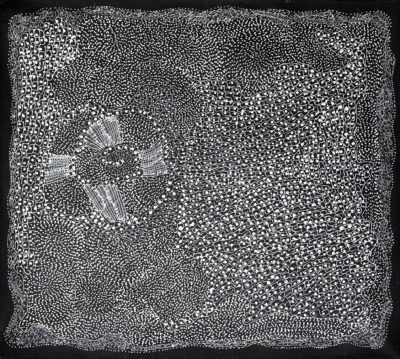
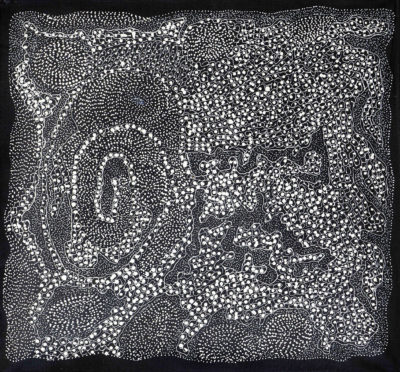
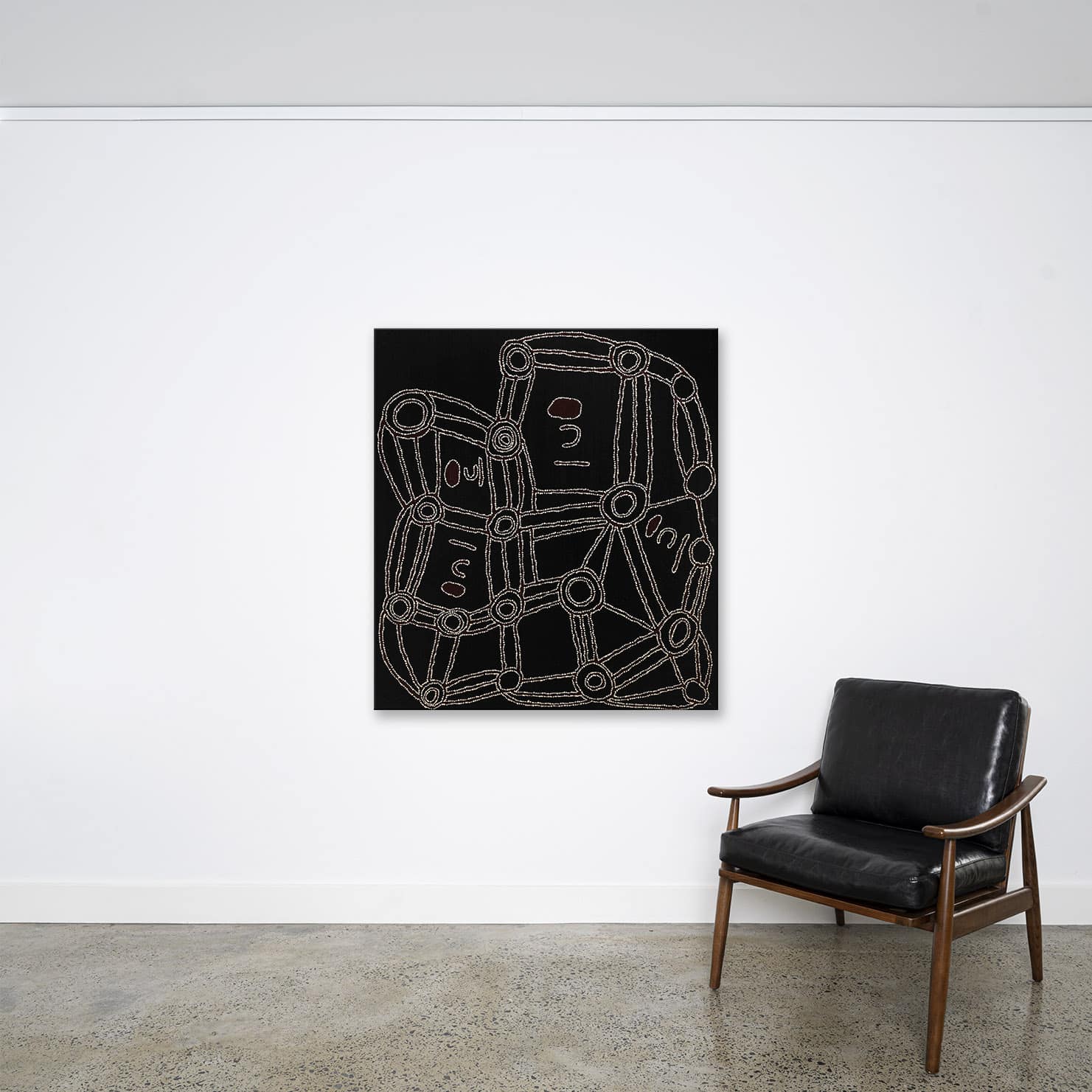
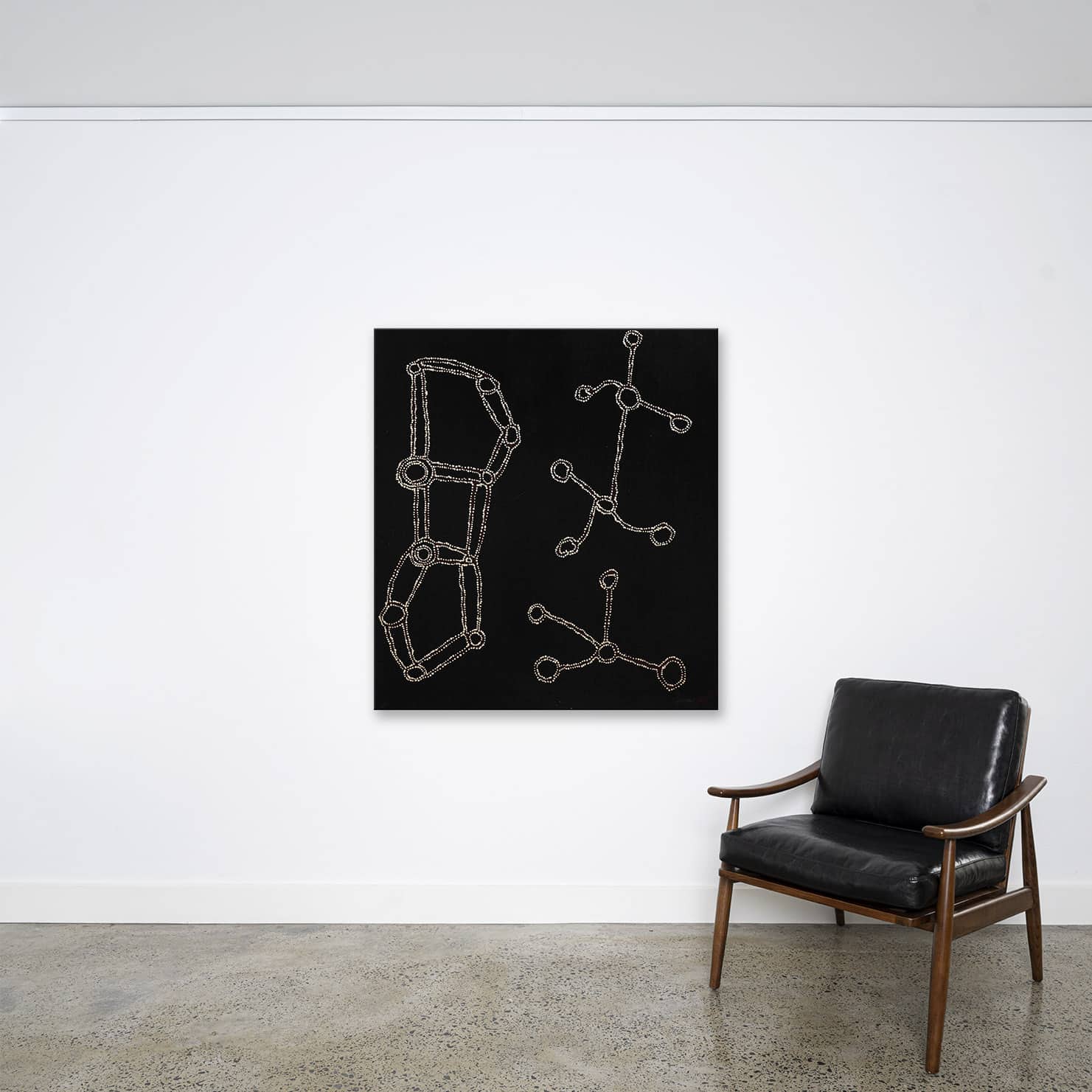
Kayi Kayi Nampitjinpa was born in 1946 in her traditional Country of Kiwirrkurra, north-west of Alice Springs. She was part of the second generation of Pintupi women artists who began their artistic journeys by supporting the senior male painters of the Papunya movement before developing their own distinctive artistic voices.
Kayi Kayi began painting in 1996 in the Pintupi community of Kintore (Walungurru), established in the early 1980s as Pintupi people returned from Papunya to their traditional homelands. Her work reflects her deep connection to Country, cultural knowledge and the ancestral stories passed down through generations.
Her paintings primarily depict rockhole Dreamings and women’s ceremonial stories from her ancestral lands around Kiwirrkurra. Central to her work is the Tingari cycle, the ancient stories of ancestral beings who travelled across the desert, performing ceremonies, creating landscapes and establishing sacred sites. The journeys of the Tingari men and women are preserved through songlines and ceremonial knowledge, and Kayi Kayi painted these stories with permission gained through cultural initiation.
Her works are recognised for their intricate compositions, sophisticated use of colour and the way they translate the spiritual significance of Country into contemporary painting. Through her art, Kayi Kayi continued the Pintupi tradition of recording ancestral knowledge while developing a highly individual style.
Kayi Kayi Nampitjinpa’s paintings are held in major public and private collections including the Museum and Art Gallery of the Northern Territory, Araluen Arts Centre, Artbank, the National Gallery of Victoria, and significant international collections such as the Gantner Myer Collection in San Francisco. She was also a finalist in the 2000 National Aboriginal and Torres Strait Islander Art Award (NATSIAA).
BORN 1969
REGION Amata
LANGUAGE Pitjantjatjara
Tjungkara Ken was born in Amata, South Australia, in 1969 and was one of the first young artists to begin working with Tjala Arts in 1997. Growing up deeply connected to Country, Tjungkara’s paintings are inspired by the landscapes, stories and cultural knowledge of her ancestral lands. As she describes, her work reflects ngura – Country – including rockholes, hills, creek beds and important Dreaming sites.
Tjungkara paints both independently and collaboratively with family members. She is one of five sisters who form the Ken Sisters Collaborative, alongside Yaritji Young, Freda Brady, Maringka Tunkin and Sandra Ken. Their collective work Seven Sisters was awarded the prestigious Wynne Prize in 2016, recognising their powerful contemporary interpretations of Country and ancestral stories.
Her paintings draw on her mother’s Country at Wingellina, including the Ngintaka (Echidna) Dreaming, as well as her father’s Apara story. Using traditional tools such as punu sticks rather than brushes, Tjungkara creates intricate fields of colour, movement and pattern. She describes her aerial perspective as similar to “looking down from an aeroplane,” capturing the vastness and spiritual connection of the landscape.
Tjungkara’s work explores the relationship between colour, movement and storytelling. She has also engaged in artistic exchanges with contemporary Australian artists, including a collaboration with her sister Yaritji Young at Sydney Contemporary in 2017, where they responded to paintings by Ben Quilty and explored shared ideas of energy, scale and mark-making.
A highly respected contemporary Aboriginal artist, Tjungkara has been a finalist in major awards including the Archibald Prize, the Wynne Prize, and the Telstra National Aboriginal and Torres Strait Islander Art Award. Her work is held in significant collections including the National Gallery of Australia, National Gallery of Victoria, Art Gallery of South Australia, QAGOMA and Artbank, as well as major private collections throughout Australia.
BORN 1959
REGION Kintore
LANGUAGE Luritja
Eileen Napaltjarri Anyama was born in 1956 at Haasts Bluff and comes from a distinguished lineage of Western Desert artists. Her father, Charlie Tararu Tjungurrayi, was one of the founding artists of the early Papunya art movement, known for his innovative approach to painting, while her mother, Tatali Nangala, was also a respected and prolific artist. Eileen is the niece of Narputta Nangala and cousin of Daisy Napaltjarri, both significant figures within Ikuntji Artists. She was married to senior Kintore artist Kenny Williams Tjampitjinpa.
Eileen moved with her family from Haasts Bluff to Kintore in the early 1980s when the new community was established. She grew up surrounded by artists, observing her parents as they painted and learning the stories and cultural knowledge connected to her father’s ancestral country. Following her mother’s passing in 1999, Eileen began painting these inherited stories herself, creating works based on Tjitjurrulnga (Titjurrulpa Rockhole), a significant site west of Kintore.
Her paintings are recognised for their flowing, rhythmic compositions and abstract quality. Writer Nicolas Rothwell described her work as “rhythmically abstract paintings”, highlighting the innovation and creativity of a new generation of Kintore women artists. Through her distinctive use of colour, movement and form, Eileen developed a style that honours tradition while bringing a fresh perspective to Western Desert painting.
Eileen has established herself as one of the most important second-generation artists of the Western Desert movement. Her work is held in major collections including the National Gallery of Australia, the Art Gallery of New South Walesand the Artbank Collection. She received the Emerging Artist Award at the Redlands Westpac Art Prize in 2005, and her work has been recognised among Australia’s most collectible contemporary Aboriginal art. She continues to paint between Kintore and Haasts Bluff, maintaining a strong connection to her family, Country and ancestral stories.
COLLECTIONS
BORN 1958
REGION Kintore
LANGUAGE Pintupi
Jacqueline Reid Nakamarra is the daughter of the highly respected Pintupi artist Makinti Napanangka (dec.) and sister of artist Winnie Reid Nakamarra. Alongside her sister, Jacqueline continues the artistic legacy of their mother, painting the ancestral stories and cultural knowledge passed down through their family.
Jacqueline’s paintings are connected to the significant sites of Lupulnga, a rockhole located south of the Kintore community. Her works depict the Peewee (small bird) Dreaming associated with this country, as well as the important Kungka Kutjarra (Two Travelling Women Dreaming).
The Kungka Kutjarra story tells of ancestral women who travelled across the desert during the Tjukurrpa (Dreaming), visiting sacred sites and performing ceremonies before continuing their journey north to Kaakuratintja (Lake MacDonald) and later towards the Kintore region. Through her paintings, Jacqueline carries forward these stories, maintaining the deep connection between Country, culture and ancestral knowledge.
BORN Circa 1953
REGION Kiwirrkura
Mary Brown Napangardi (born c.1953) is a senior Warlpiri artist from the Central Desert of the Northern Territory. Born near Mandarine, south-west of Yuendumu, she spent her early childhood living traditionally on Country, where she learned bush foods, bush medicine, ceremonial practices and the Jukurrpa (Dreaming) stories passed down through her family before relocating to the Yuendumu community.
Mary began painting in the early 1990s and has worked regularly with Warlukurlangu Artists since 2005. Her paintings depict women’s ceremonies and the ancestral stories of her father’s Country, using traditional Warlpiri iconography to represent important sites, flora, fauna and the enduring connection between people and land. Her vibrant palette and confident compositions bring a contemporary energy to these ancient cultural narratives.
Mary comes from a distinguished family of Aboriginal artists. She was married to acclaimed Western Desert artist Ronnie Tjampitjinpa and is also related to artists Dorothy Napangardi, Jeannie Napangardi Lewis and Margaret Napangardi Brown, among others.
Her work has been exhibited throughout Australia and internationally and is represented in significant public and private collections. Mary Brown Napangardi is recognised as an important contemporary Warlpiri artist whose paintings preserve and celebrate the cultural traditions of the Central Desert.
BORN 1959
REGION Angus Downs
LANGUAGE Pitjantjatjara
Jorna Newberry (born c.1959) is a Pitjantjatjara artist from Angus Downs in Central Australia. She divides her time between Alice Springs and Warakurna, maintaining a strong connection to her ancestral Country and cultural traditions.
Beginning her painting career in the mid-1990s, Jorna creates richly layered abstract works that depict the landscapes and ancestral stories of Irrunytju and her mother’s Country at Utantja. Her paintings reflect Tjukurrpa (Dreaming), ceremonial knowledge and the enduring relationship between people and Country, while respecting the cultural protocols surrounding sacred narratives.
A niece of renowned artist Tommy Watson, Jorna has developed a distinctive artistic voice of her own. Her expressive compositions feature vibrant colour, flowing lines and intricate mark-making, conveying the movement, energy and spiritual presence of the desert landscape.
Jorna Newberry has exhibited widely throughout Australia and internationally. Her work is held in significant public and private collections and is recognised for its powerful combination of cultural depth and contemporary abstraction.